Vasculitis is a serious autoimmune condition that …


Vasculitis is a serious autoimmune condition that …
Systemic Lupus Erythematosus (SLE), commonly known…
a chronic autoimmune disease that mainly affects t…
a chronic inflammatory disease that primarily affe…
Fibromyalgia is a common but often misunderstood c…
Gout is a common type of inflammatory arthritis th…
It commonly occurs in people who have psoriasis, a…
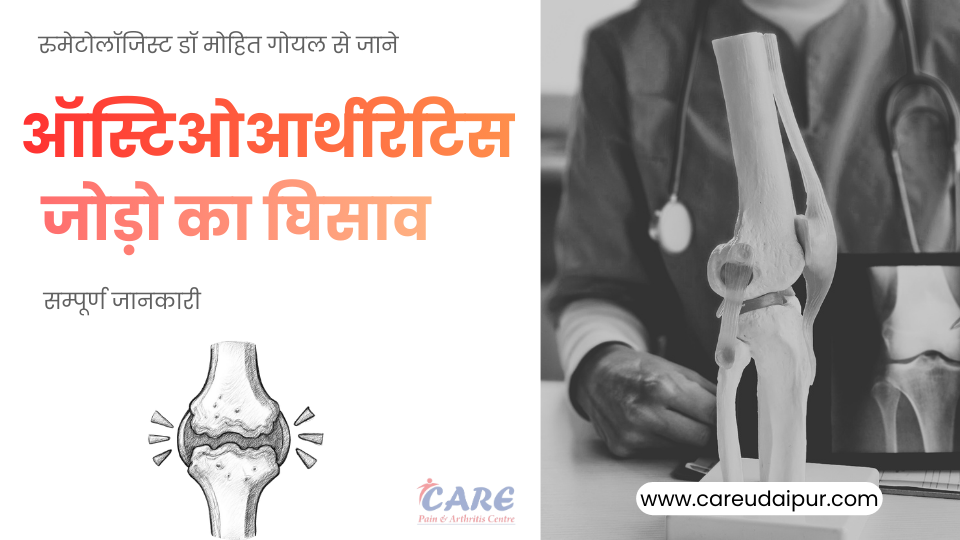
Osteoarthritis occurs when the protective cartilag…
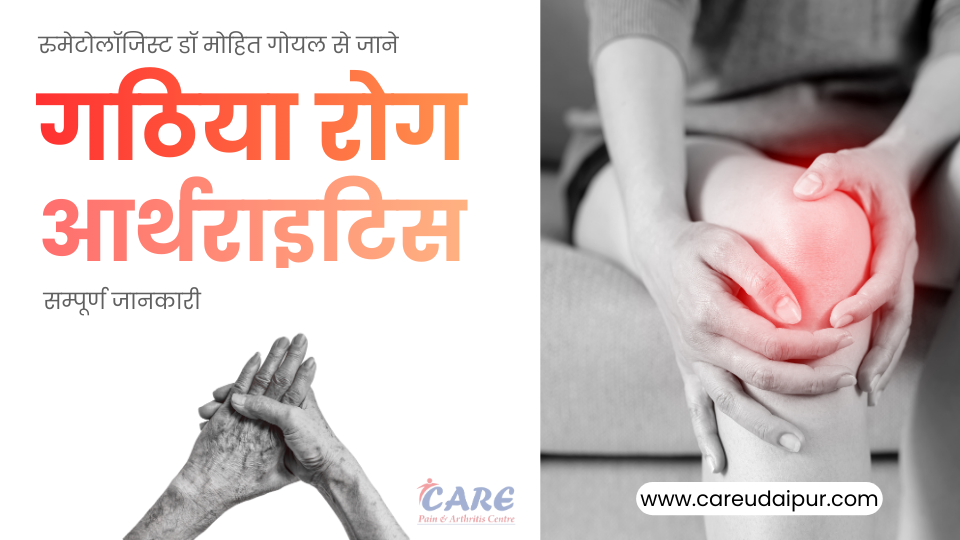
Rheumatoid Arthritis (RA) is a long-term autoimmune condition that causes pain, swelling, and stiffness in the joints. Unlike common joint problems that happen due to aging or wear and tear, RA occurs when the body’s immune system mistakenly attacks its own joints.
This ongoing inflammation can gradually damage the joints and reduce mobility if not treated in time.
RA commonly affects the hands, wrists, knees, and feet, but in advanced stages, it may also impact other parts of the body like the eyes, lungs, and blood vessels.
👉 The good news? With early diagnosis and proper treatment, rheumatoid arthritis can be effectively managed.
At Care Pain & Arthritis Centre, Udaipur, patients receive specialized care under Dr. Mohit Goyal (Rheumatologist). With modern diagnostic tools and personalized treatment plans, patients can lead a more comfortable and active life.
Rheumatoid arthritis is an autoimmune disorder where the immune system attacks healthy joint tissues.
The main target is the synovium (the lining of the joints), which becomes inflamed. This leads to:
If left untreated, RA can result in:
However, early treatment can slow down or even stop the progression of the disease.
Symptoms of RA may differ from person to person, but the most common signs include:
⚠️ A key sign of RA is symmetrical joint involvement — meaning the same joints on both sides of the body are affected.
If these symptoms continue for a few weeks, it’s important to consult a rheumatologist for proper evaluation.
The exact cause of rheumatoid arthritis is still not fully known, but certain factors can increase the risk.
👉 RA is more commonly seen in women than men.
Early diagnosis is very important to prevent permanent joint damage.
A rheumatologist will assess your symptoms and may recommend the following:
The doctor checks for:
Important tests include:
These tests help detect inflammation and autoimmune activity.
These help assess joint damage and disease progression.
While RA cannot be completely cured, it can be effectively managed with the right treatment plan.
At Care Pain & Arthritis Centre, Udaipur, treatment plans are customized based on each patient’s condition and lifestyle.
You should consult a specialist if you notice:
👉 Early consultation can prevent complications and improve quality of life.
If you are experiencing symptoms of rheumatoid arthritis, expert care is available at:
Care Pain & Arthritis Centre, Udaipur
👨⚕️ Dr. Mohit Goyal – Rheumatologist
With a patient-focused approach and advanced treatment methods, the clinic helps patients manage RA effectively and regain mobility.
Rheumatoid arthritis is a serious but manageable condition. The key lies in:
✔ Early diagnosis
✔ Timely treatment
✔ Regular follow-up
With the right care and guidance, patients can continue to live an active and fulfilling life.
Your content goes here. Edit or remove this text inline or in the module Content settings. You can also style every aspect of this content in the module Design settings and even apply custom CSS to this text in the module Advanced settings.
this is a comment
q