Vasculitis is a serious autoimmune condition that …


Vasculitis is a serious autoimmune condition that …
Systemic Lupus Erythematosus (SLE), commonly known…
a chronic autoimmune disease that mainly affects t…
Fibromyalgia is a common but often misunderstood c…
Gout is a common type of inflammatory arthritis th…
It commonly occurs in people who have psoriasis, a…
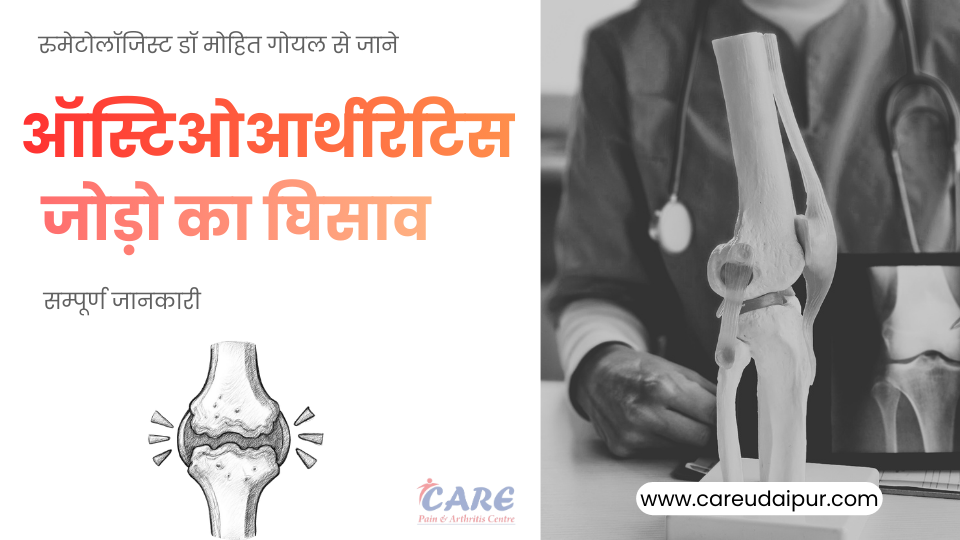
Osteoarthritis occurs when the protective cartilag…
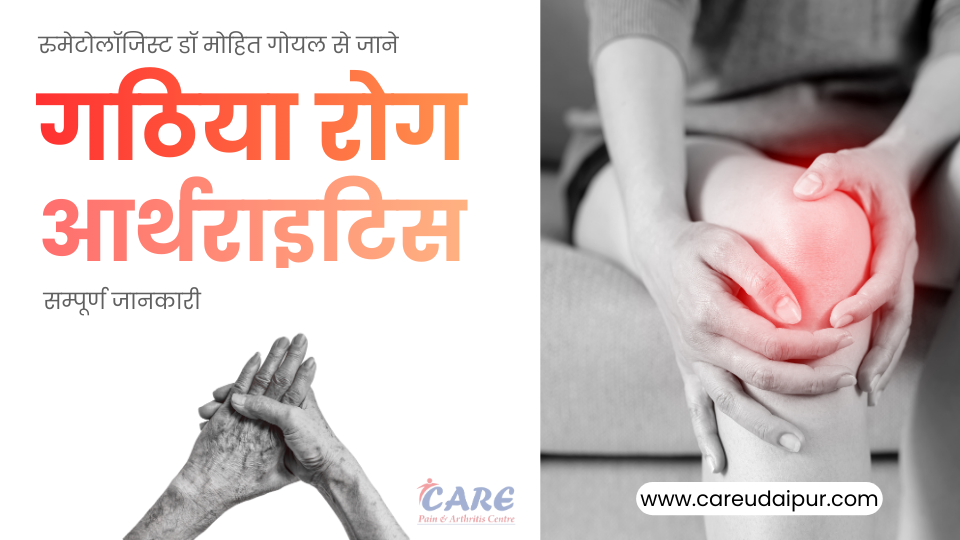
Rheumatoid Arthritis (RA) is a chronic autoimmune …
Ankylosing Spondylitis (AS) is a chronic inflammatory disease that primarily affects the spine and sacroiliac joints. It causes persistent back pain, stiffness, and reduced flexibility, especially in young adults. Ankylosing spondylitis belongs to a group of diseases known as spondyloarthritis, which involve inflammation of the joints and spine.
Unlike common mechanical back pain, ankylosing spondylitis is an autoimmune condition in which the body’s immune system mistakenly attacks healthy joints. Over time, chronic inflammation may cause the bones of the spine to fuse together, resulting in reduced spinal mobility and posture problems.
Early diagnosis and treatment from a specialist rheumatologist are essential to control inflammation and prevent long-term complications. At Care Pain & Arthritis Centre in Udaipur, patients with ankylosing spondylitis receive expert care under Dr. Mohit Goyal, Rheumatologist, who specializes in diagnosing and managing inflammatory arthritis and spinal disorders.
What is Ankylosing Spondylitis?
Ankylosing spondylitis is a long-term inflammatory arthritis that mainly affects the spine and sacroiliac joints located where the spine meets the pelvis. The inflammation causes pain and stiffness that can gradually worsen over time.
In advanced cases, chronic inflammation may cause the vertebrae to fuse together, a process known as ankylosis, which can reduce flexibility and lead to a rigid spine.
Although ankylosing spondylitis cannot be completely cured, modern treatments can effectively control symptoms, reduce inflammation, and help patients maintain normal mobility.
Common Symptoms of Ankylosing Spondylitis
Symptoms of ankylosing spondylitis usually begin gradually and may worsen over time. The disease often starts in people between the ages of 20 and 40 years.
Common symptoms include:
Many patients notice that back pain is worse at night or early morning and improves with physical activity.
If these symptoms persist for more than a few months, consulting a rheumatologist for evaluation is recommended.
Causes and Risk Factors
The exact cause of ankylosing spondylitis is not fully understood, but genetic and immune system factors play an important role.
Genetic Factors
Many patients with ankylosing spondylitis carry a specific gene known as HLA-B27. However, not everyone with this gene develops the disease.
Family History
Individuals with a family history of ankylosing spondylitis or related conditions may have a higher risk.
Age and Gender
The condition commonly begins in young adults and is more common in men than women.
Immune System Abnormalities
Abnormal immune responses can trigger inflammation in the spine and joints.
Understanding these risk factors helps doctors diagnose the disease early.
Joints and Areas Affected
Ankylosing spondylitis mainly affects the spine, but other joints and body systems may also be involved.
Commonly affected areas include:
Sacroiliac Joints
These joints connect the spine to the pelvis and are usually the first areas affected.
Spine
Inflammation may occur in the vertebrae, causing stiffness and reduced flexibility.
Hips and Shoulders
Some patients develop pain and stiffness in large joints.
Eyes
Certain patients may develop uveitis, an inflammation of the eye causing redness and pain.
Chest Wall
Inflammation in rib joints may cause difficulty taking deep breaths.
Early treatment can prevent many of these complications.
Diagnosis of Ankylosing Spondylitis
Early diagnosis is essential to prevent permanent spinal damage. Rheumatologists use a combination of medical history, physical examination, and specialized tests.
Physical Examination
The doctor checks spinal flexibility, posture, and joint movement.
Imaging Tests
Imaging helps identify inflammation and joint damage.
Common tests include:
Blood Tests
Blood tests may include:
At Care Pain & Arthritis Centre in Udaipur, Dr. Mohit Goyal carefully evaluates symptoms and diagnostic findings to confirm ankylosing spondylitis and begin appropriate treatment.
Treatment Options for Ankylosing Spondylitis
The primary goal of treatment is to reduce inflammation, relieve pain, and maintain spinal mobility.
Treatment plans are individualized based on the patient’s symptoms and disease severity.
Medications
Doctors may prescribe medications such as:
These medications help control inflammation and prevent disease progression.
Physiotherapy
Regular physiotherapy is one of the most important aspects of treatment.
Benefits include:
Stretching and posture exercises are particularly helpful.
Lifestyle Modifications
Healthy habits can significantly improve disease management.
Recommended lifestyle changes include:
Complications of Untreated Ankylosing Spondylitis
Without proper treatment, ankylosing spondylitis may lead to several complications.
Possible complications include:
Early diagnosis and treatment can help prevent these complications.
Ankylosing Spondylitis Treatment in Udaipur
Patients searching for ankylosing spondylitis treatment in Udaipur can receive specialized care at Care Pain & Arthritis Centre.
Under the expert guidance of Dr. Mohit Goyal, Rheumatologist, patients benefit from:
The clinic focuses on helping patients reduce pain, maintain mobility, and prevent complications.
When Should You See a Rheumatologist?
You should consult a rheumatologist if you experience:
Early consultation with a specialist can significantly improve treatment outcomes.
Expert Rheumatology Care at Care Pain & Arthritis Centre
Ankylosing spondylitis is a lifelong condition, but with proper treatment and lifestyle management, patients can maintain a healthy and active life.
At Care Pain & Arthritis Centre in Udaipur, Dr. Mohit Goyal, an experienced Rheumatologist, provides comprehensive care for patients with ankylosing spondylitis and other rheumatic diseases.
If you are experiencing persistent back pain or stiffness, seeking expert rheumatology care can help ensure early diagnosis, effective treatment, and improved quality of life.
Your content goes here. Edit or remove this text inline or in the module Content settings. You can also style every aspect of this content in the module Design settings and even apply custom CSS to this text in the module Advanced settings.
0 Comments