Systemic Lupus Erythematosus (SLE), commonly known…


Systemic Lupus Erythematosus (SLE), commonly known…
a chronic autoimmune disease that mainly affects t…
a chronic inflammatory disease that primarily affe…
Fibromyalgia is a common but often misunderstood c…
Gout is a common type of inflammatory arthritis th…
It commonly occurs in people who have psoriasis, a…
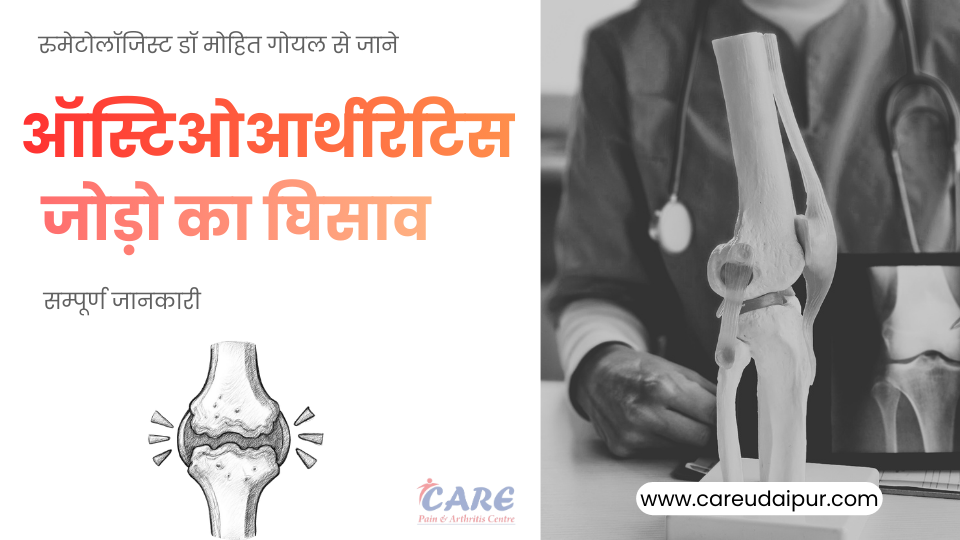
Osteoarthritis occurs when the protective cartilag…
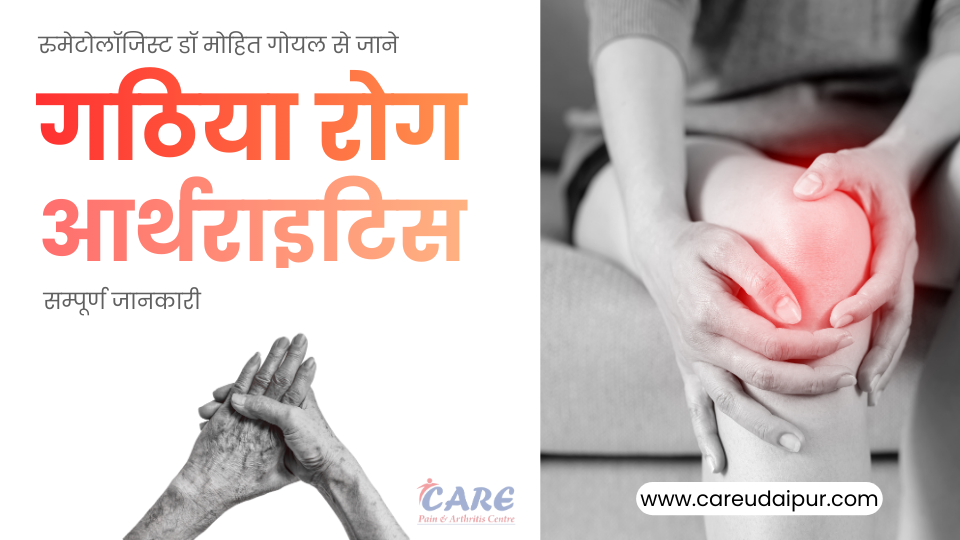
Rheumatoid Arthritis (RA) is a chronic autoimmune …
Vasculitis is a serious autoimmune condition that causes inflammation of blood vessels. It can affect different parts of the body and may lead to reduced blood flow to organs. Early diagnosis is very important. At Care Pain and Arthritis Centre, Dr. Mohit Goyal provides expert care for vasculitis and other autoimmune diseases.
What is Vasculitis?
Types of Vasculitis
There are different types, based on the size of blood vessels affected:
Each type has different symptoms and requires specific treatment.
Common Symptoms
Symptoms vary depending on the affected area, but common signs include:
General Symptoms
Organ-Specific Symptoms
Causes & Risk Factors
The exact cause is often unknown, but possible triggers include:
How is Vasculitis Diagnosed?
Diagnosis requires detailed evaluation:
Consulting a specialist like Dr. Mohit Goyal is essential for accurate diagnosis.
Treatment Options
Treatment depends on the severity and organs involved:
1. Medications
2. Advanced Care
At Care Pain and Arthritis Centre, treatment plans are customized for each patient.
Tips for Managing Vasculitis
When Should You See a Doctor?
Early treatment can prevent serious complications.
Why Choose Expert Care?
Vasculitis can be complex and requires specialist care. At Care Pain and Arthritis Centre, Dr. Mohit Goyal offers:
Final Words
Vasculitis is a treatable condition if diagnosed early. Ignoring symptoms can lead to serious complications. If you notice unusual symptoms, consult a rheumatologist without delay.
Your content goes here. Edit or remove this text inline or in the module Content settings. You can also style every aspect of this content in the module Design settings and even apply custom CSS to this text in the module Advanced settings.
0 Comments