Vasculitis is a serious autoimmune condition that …


Vasculitis is a serious autoimmune condition that …
a chronic autoimmune disease that mainly affects t…
a chronic inflammatory disease that primarily affe…
Fibromyalgia is a common but often misunderstood c…
Gout is a common type of inflammatory arthritis th…
It commonly occurs in people who have psoriasis, a…
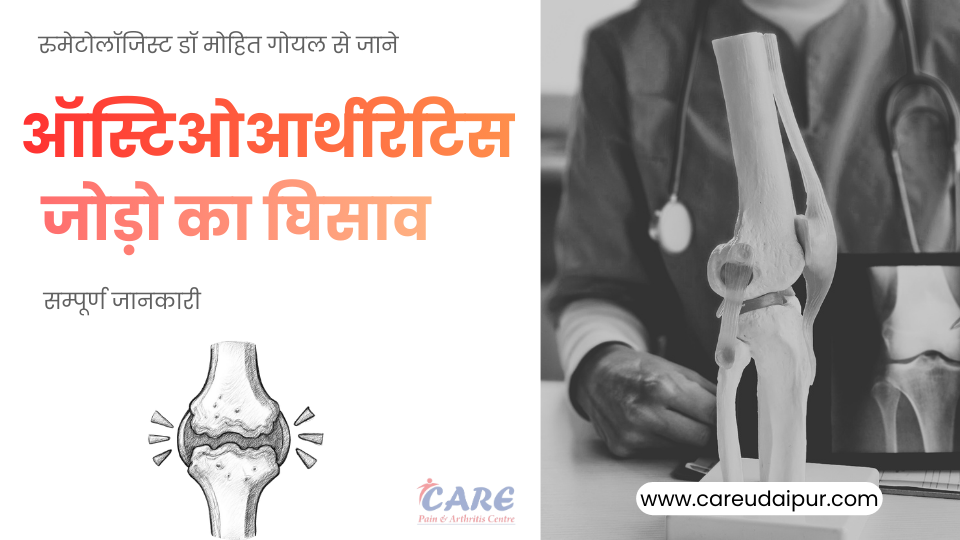
Osteoarthritis occurs when the protective cartilag…

Rheumatoid Arthritis (RA) is a chronic autoimmune …
Systemic Lupus Erythematosus (SLE), commonly known as Lupus, is a chronic autoimmune disease in which the body’s immune system mistakenly attacks its own healthy tissues. This leads to widespread inflammation that can affect multiple organs including the skin, joints, kidneys, brain, lungs, and heart.
Lupus is considered a complex rheumatic disease because its symptoms vary widely from person to person. Some patients may experience mild symptoms such as joint pain and fatigue, while others may develop serious complications involving internal organs.
Early diagnosis and treatment are crucial for managing lupus effectively and preventing long-term organ damage. At Care Pain & Arthritis Centre in Udaipur, patients with lupus receive specialized care from Dr. Mohit Goyal, Rheumatologist, who focuses on accurate diagnosis and advanced treatment strategies for autoimmune diseases.
What is Systemic Lupus Erythematosus?
Systemic Lupus Erythematosus is an autoimmune disease where the immune system becomes overactive and attacks healthy tissues in different parts of the body. This abnormal immune response causes inflammation that can damage organs and tissues over time.
The term “systemic” means that the disease can affect multiple organs rather than being limited to one part of the body.
Although lupus is a lifelong condition, modern treatments can help control the immune system and reduce inflammation, allowing patients to live healthy and productive lives.
Common Symptoms of Lupus (SLE)
Symptoms of lupus can develop gradually and often occur in episodes known as flare-ups, where symptoms worsen temporarily before improving.
Common symptoms include:
Many lupus patients experience joint pain similar to arthritis, which is why evaluation by a rheumatologist is important.
If these symptoms persist or appear together, consulting a specialist for proper diagnosis is recommended.
Causes and Risk Factors
The exact cause of lupus is not completely understood, but it is believed to involve a combination of genetic, environmental, and hormonal factors.
Genetic Factors
People with a family history of autoimmune diseases may have a higher risk of developing lupus.
Hormonal Factors
Lupus is more common in women, particularly during the childbearing years between ages 15 and 45.
Environmental Triggers
Certain environmental factors may trigger lupus symptoms, including:
These triggers may activate the immune system in people who are genetically predisposed.
Organs Affected by Lupus
One of the unique features of lupus is that it can affect multiple organs in the body.
Skin
Lupus may cause rashes, skin lesions, and increased sensitivity to sunlight.
Joints
Many patients experience joint pain, stiffness, and swelling similar to rheumatoid arthritis.
Kidneys
Lupus nephritis is a serious complication that can affect kidney function.
Heart and Lungs
Inflammation may affect the lining of the heart or lungs, causing chest pain and breathing difficulty.
Brain and Nervous System
Some patients may develop headaches, memory problems, or neurological symptoms.
Early diagnosis helps prevent severe complications.
Diagnosis of Systemic Lupus Erythematosus
Diagnosing lupus can be challenging because symptoms may mimic other diseases. Rheumatologists use a combination of clinical evaluation and laboratory tests.
Medical History and Physical Examination
The doctor carefully reviews symptoms and checks for signs such as joint swelling or skin rashes.
Blood Tests
Important blood tests used to diagnose lupus include:
Urine Tests
Urine tests help detect kidney involvement.
Imaging Tests
In some cases, imaging tests may be used to evaluate organ inflammation.
At Care Pain & Arthritis Centre in Udaipur, Dr. Mohit Goyal uses advanced diagnostic techniques to accurately identify lupus and determine the severity of the disease.
Treatment Options for Lupus
Although lupus cannot be completely cured, modern treatments can control the immune system and reduce inflammation.
Treatment plans are customized based on the organs affected and the severity of symptoms.
Medications
Common medications used to treat lupus include:
These medications help control immune activity and prevent organ damage.
Lifestyle Management
Lifestyle adjustments are important for managing lupus effectively.
Recommended practices include:
Regular Monitoring
Patients with lupus require regular medical follow-up to monitor disease activity and prevent complications.
Possible Complications of Lupus
Without proper treatment, lupus may lead to serious complications affecting various organs.
Potential complications include:
Early treatment and regular monitoring significantly reduce the risk of these complications.
Lupus Treatment in Udaipur
Patients searching for lupus treatment in Udaipur can receive specialized care at Care Pain & Arthritis Centre.
Under the expert supervision of Dr. Mohit Goyal, Rheumatologist, the clinic provides:
The goal of treatment is to control inflammation, protect organs, and improve the patient’s quality of life.
When Should You See a Rheumatologist?
You should consult a rheumatologist if you experience:
Early diagnosis allows doctors to begin treatment before major organ damage occurs.
Expert Lupus Care at Care Pain & Arthritis Centre
Systemic Lupus Erythematosus is a complex autoimmune disease that requires specialized medical care. With timely diagnosis and proper treatment, many patients with lupus can live healthy and active lives.
At Care Pain & Arthritis Centre in Udaipur, Dr. Mohit Goyal, an experienced Rheumatologist, provides comprehensive care for lupus and other autoimmune diseases. The clinic focuses on early detection, personalized treatment, and long-term disease management.
If you are experiencing symptoms of lupus or autoimmune disease, consulting a specialist rheumatologist can help ensure proper diagnosis and effective treatment.
Your content goes here. Edit or remove this text inline or in the module Content settings. You can also style every aspect of this content in the module Design settings and even apply custom CSS to this text in the module Advanced settings.
0 Comments