Vasculitis is a serious autoimmune condition that …


Vasculitis is a serious autoimmune condition that …
Systemic Lupus Erythematosus (SLE), commonly known…
a chronic autoimmune disease that mainly affects t…
a chronic inflammatory disease that primarily affe…
Fibromyalgia is a common but often misunderstood c…
It commonly occurs in people who have psoriasis, a…
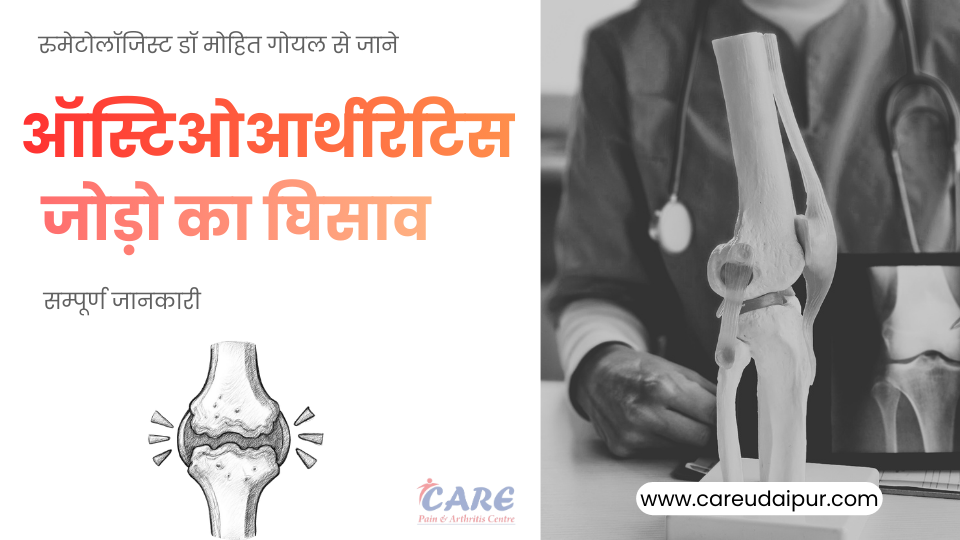
Osteoarthritis occurs when the protective cartilag…
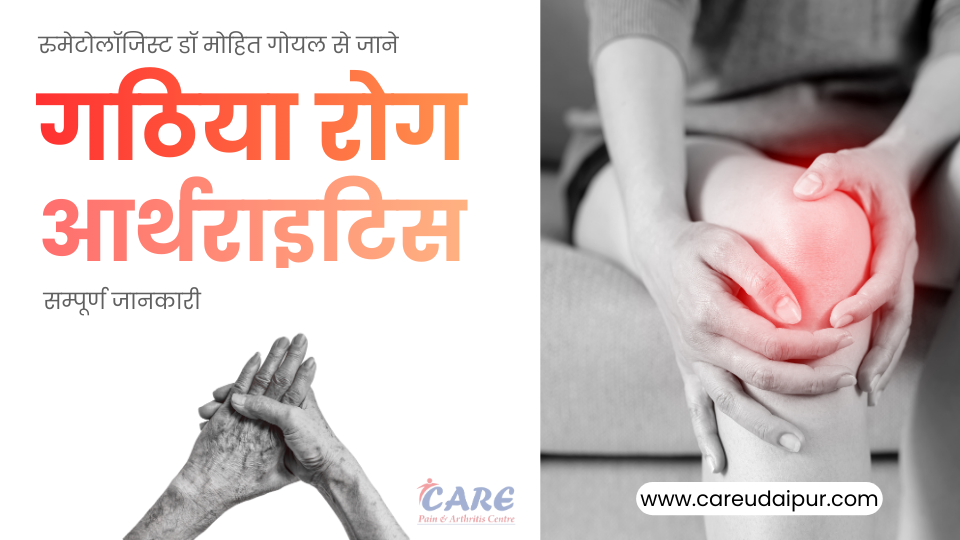
Rheumatoid Arthritis (RA) is a chronic autoimmune …
Gout is a common type of inflammatory arthritis that occurs due to the buildup of uric acid crystals in the joints. It is known for causing sudden and severe attacks of joint pain, swelling, redness, and tenderness. The condition most often affects the big toe, but it can also occur in the ankles, knees, elbows, wrists, and fingers.
Gout attacks can begin suddenly, often during the night, and may cause intense pain that makes even light pressure on the joint unbearable. Although gout can be extremely painful, it is a treatable condition. With proper diagnosis and medical management, patients can control symptoms and prevent future attacks.
At Care Pain & Arthritis Centre in Udaipur, patients with gout receive specialized evaluation and treatment from Dr. Mohit Goyal, Rheumatologist, who has extensive experience in managing inflammatory arthritis and metabolic joint disorders.
What is Gout?
Gout is a type of arthritis caused by the accumulation of uric acid crystals in the joints. Uric acid is a waste product formed when the body breaks down substances called purines, which are found in certain foods and drinks.
Normally, uric acid dissolves in the blood and is excreted through urine. However, when the body produces too much uric acid or fails to remove it efficiently, the uric acid can form sharp crystals that deposit in joints and surrounding tissues.
These crystals trigger inflammation, leading to intense pain and swelling during a gout attack.
Common Symptoms of Gout
Gout symptoms usually occur suddenly and may affect only one joint at a time. Attacks may last several days and can recur if the condition is not properly managed.
Common symptoms include:
The big toe joint is the most frequently affected area, a condition known as podagra.
Some patients may also develop hard uric acid deposits called tophi under the skin in advanced stages.
Causes of Gout
Gout occurs when uric acid levels in the blood become too high, a condition known as hyperuricemia.
Several factors can contribute to increased uric acid levels.
Diet
Foods high in purines can increase uric acid production.
Examples include:
Reduced Kidney Function
When kidneys cannot effectively remove uric acid from the body, levels may rise in the blood.
Medical Conditions
Certain conditions increase the risk of gout, including:
Genetics
A family history of gout may increase the likelihood of developing the condition.
Risk Factors for Gout
Several lifestyle and health factors may increase the risk of gout.
These include:
Managing these risk factors can significantly reduce the frequency of gout attacks.
Diagnosis of Gout
Accurate diagnosis is important because gout symptoms can resemble other forms of arthritis.
Physical Examination
A rheumatologist examines the affected joint for swelling, redness, and tenderness.
Blood Tests
Blood tests measure uric acid levels and inflammation markers.
Joint Fluid Analysis
In some cases, fluid from the affected joint may be examined to identify uric acid crystals.
Imaging Tests
Imaging techniques may include:
At Care Pain & Arthritis Centre in Udaipur, Dr. Mohit Goyal performs comprehensive evaluations to accurately diagnose gout and identify its underlying causes.
Treatment Options for Gout
The goal of gout treatment is to relieve pain during attacks and prevent future flare-ups.
Treatment usually involves medications and lifestyle changes.
Medications for Acute Attacks
Doctors may prescribe medications to reduce inflammation and relieve pain, including:
Long-Term Uric Acid Control
For patients with recurrent gout attacks, medications may be prescribed to reduce uric acid levels.
These medications help prevent crystal formation and future attacks.
Lifestyle and Dietary Changes
Lifestyle modifications play an important role in gout management.
Recommended changes include:
Complications of Untreated Gout
If gout is not properly treated, it may lead to several complications.
Possible complications include:
Early treatment can help prevent these long-term problems.
Gout Treatment in Udaipur
Patients searching for gout treatment in Udaipur can receive specialized care at Care Pain & Arthritis Centre.
Under the expertise of Dr. Mohit Goyal, Rheumatologist, the clinic provides:
The goal is to prevent painful gout attacks and protect joint health.
When Should You See a Rheumatologist?
You should consult a rheumatologist if you experience:
Early consultation helps control the disease before permanent joint damage occurs.
Expert Gout Care at Care Pain & Arthritis Centre
Gout can be extremely painful, but with proper treatment and lifestyle changes, it can be effectively controlled.
At Care Pain & Arthritis Centre in Udaipur, Dr. Mohit Goyal, an experienced Rheumatologist, provides comprehensive care for patients suffering from gout and other inflammatory joint diseases.
With early diagnosis, modern treatment options, and long-term management strategies, patients can prevent gout attacks and maintain healthy joints.
Your content goes here. Edit or remove this text inline or in the module Content settings. You can also style every aspect of this content in the module Design settings and even apply custom CSS to this text in the module Advanced settings.
0 Comments